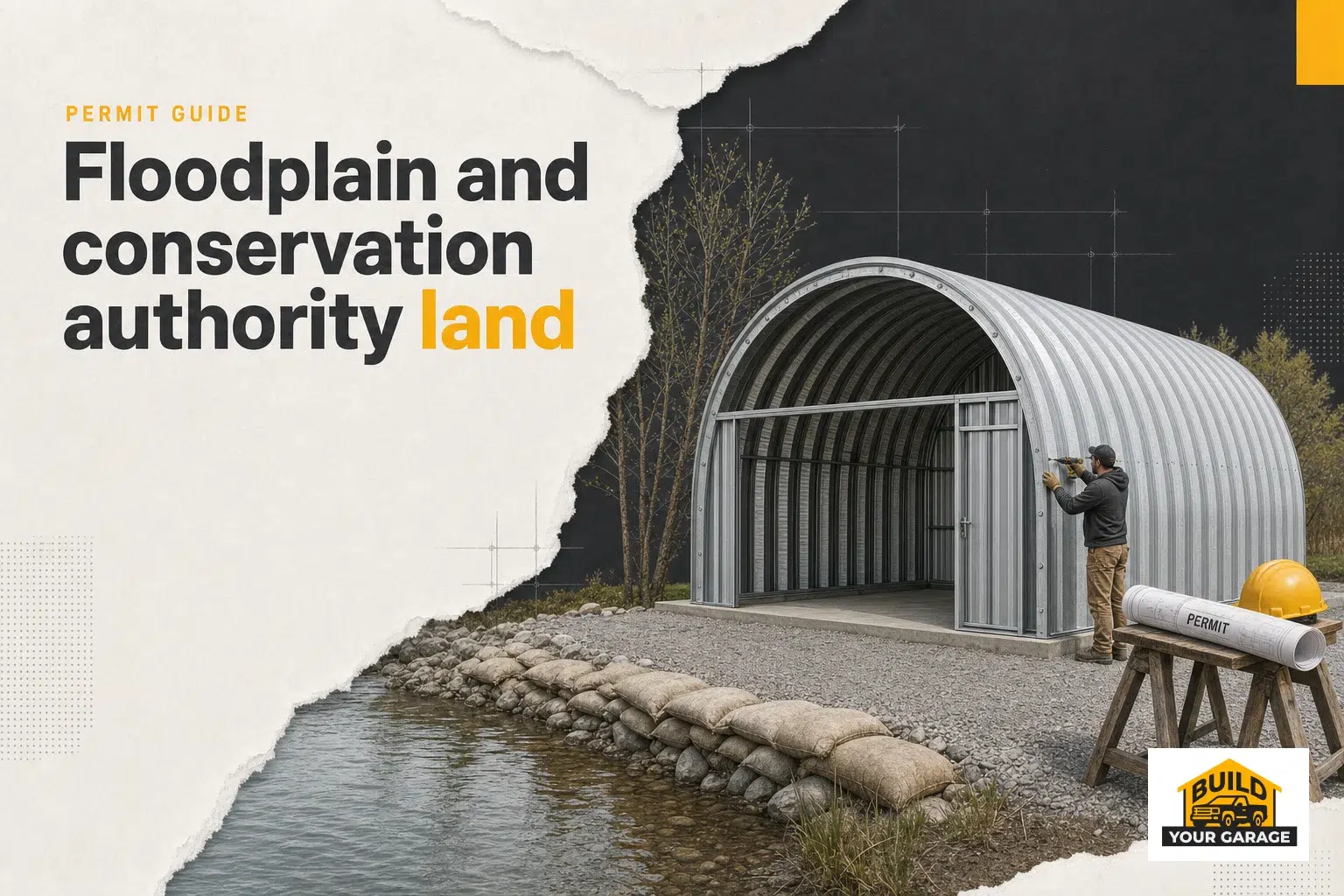
Building on a floodplain in Canada can be a complex endeavor, especially when considering the regulations imposed by local conservation authorities. While obtaining a floodplain building permit in Canada is a significant step, it’s not the only hurdle you need to clear. The intricacies of floodplain development stretch beyond mere permits, involving an array of environmental and regulatory considerations. So, what does it take to construct a steel garage or any other structure on such sensitive land?
Understanding Floodplain Building Permits in Canada
A floodplain is an area of land adjacent to a river or stream that experiences flooding during periods of high water flow. In Canada, building on these lands requires careful planning and adherence to specific regulations due to their environmental sensitivity and potential for flooding. A Permit Guide Canada can be invaluable when navigating this process.
When you apply for a floodplain building permit, local authorities examine various factors such as the 100-year flood level, potential environmental impact, and the necessity of the proposed structure. The permit process ensures that any construction will not adversely affect water flow or increase flood risk to surrounding properties. However, obtaining this permit is just one piece of the puzzle.
The Role of Conservation Authorities
Conservation authorities play a crucial role in managing water resources and protecting natural habitats across Ontario and other provinces. They are responsible for regulating development within their jurisdiction to prevent flooding and preserve ecosystems. Even with a building permit, you may still need approvals from these bodies.
For example, Conservation Ontario oversees numerous local conservation authorities which enforce regulations designed to safeguard water quality and manage natural resources effectively. These organizations evaluate how your project might impact wetlands, watercourses, and natural habitats.
Beyond Permits: Navigating Restrictive Covenants
In addition to permits and conservation approvals, property owners must also consider restrictive covenants. These legal obligations can impose additional constraints on how land is used or developed. For instance, they could limit the type of structures you can build or mandate specific construction techniques to mitigate flooding risks.
Understanding these covenants is essential before beginning any construction project. Learn more about how these restrictions might affect your plans by visiting our detailed post on Restrictive Covenants.
Assessing Environmental Impact
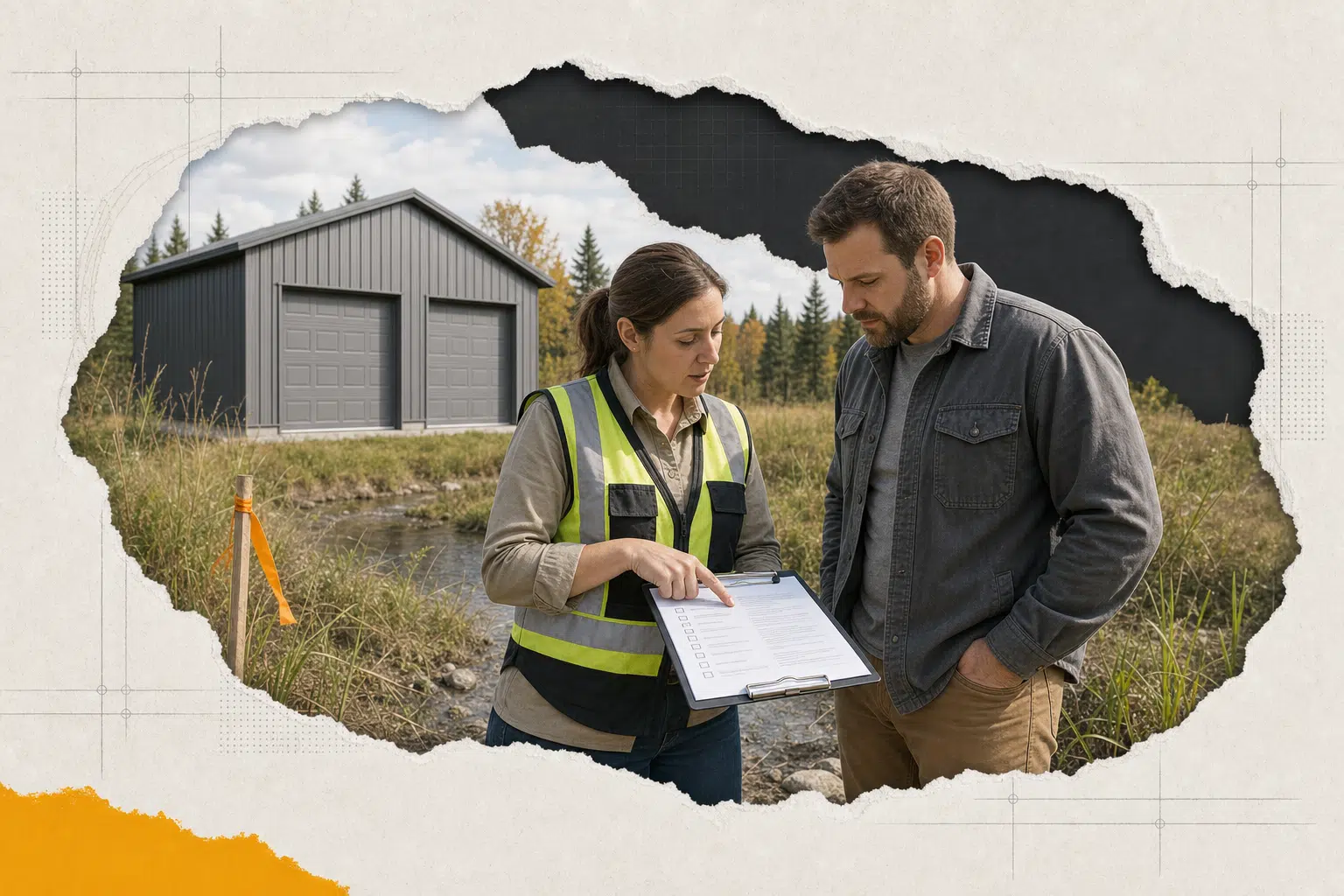
Constructing a building on a floodplain involves more than just securing permits and approvals; it also requires assessing the environmental impact of your project. This assessment ensures that your construction won’t harm local wildlife habitats or disrupt existing ecosystems.
Case Study: Building in Whitehorse, Yukon
The experience of constructing a Straight Quonset Equipment Garage in Whitehorse, Yukon offers valuable insights into floodplain construction challenges. Despite its remote location, this project faced stringent local regulations designed to protect the unique northern environment.
Projects like these often require innovative solutions to address both regulatory requirements and environmental concerns. In Whitehorse, builders had to consider factors such as snow load and thermal performance alongside flood risks.
The Importance of Proper Planning
Planning is paramount when constructing on floodplains or conservation lands. This involves not just understanding legal requirements but also considering practical challenges like site access, construction timelines, and budget constraints.
If you’re planning to build a steel garage kit in such areas, tools like our Calculate your garage cost by location can help estimate costs based on regional factors. Additionally, choosing the right design—such as the popular 30×40 Peaked Straight Quonset Kit—can make compliance with environmental standards more straightforward.
Permit Timelines: What to Expect
The timeline for obtaining permits can vary widely depending on location and complexity. It’s crucial to factor in these timelines during your planning phase to avoid unexpected delays. For a detailed overview, check out our guide on Permit Timelines.
Conclusion: The Bigger Picture
Navigating the complexities of building on floodplains and conservation lands in Canada requires more than just securing a permit. It demands an understanding of environmental impacts, regulatory compliance, and strategic planning. By thoroughly assessing all aspects—from restrictive covenants to conservation authority guidelines—you ensure that your project not only meets legal standards but also aligns with sustainable practices.
While challenging, constructing in these regions can be incredibly rewarding with the right preparation and knowledge. Through careful planning and adherence to regulations, you can successfully integrate your new steel garage into Canada’s diverse and beautiful landscapes.